For Arts Sake: National Association for Music Educators supports K-12 teachers, students amid budget pressures
Group of 57,000 members works to protect fine arts programs as federal funding uncertainty grows
PRESQUE ISLE, Maine (WAGM) - The National Association for Music Educators is working to keep its roughly 57,000 members informed and equipped as music programs across the country face potential budget cuts and shifting education priorities.
NAfME’s membership includes current K-12 music teachers, college students training to become music educators, and the professors who teach them.
Resources and professional development
The organization offers professional development primarily through virtual programming at the national level, including webinars. State affiliates hold in-person conferences annually. NAfME also hosts a research conference for higher education professors and students presenting dissertations and doctoral research, held every other year.
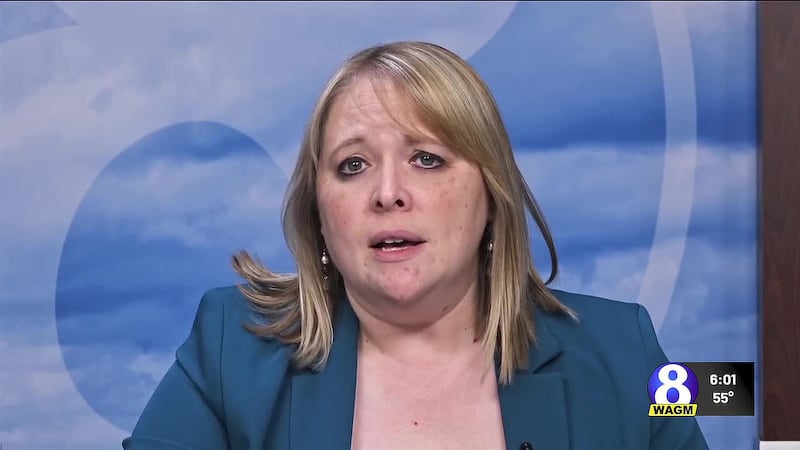
“We have two societies that do research in music education and also in the music teaching profession itself,” said Amanda Karhuse, NAfME’s assistant executive director of advocacy and public policy.
Federal funding and budget concerns
NAfME is monitoring the impact of federal and state budget decisions on school music programs. Karhuse said Congress passed a final spending bill for the upcoming school year that largely maintained level funding for education programs, but noted the administration had proposed cuts that would have been significant.
“The president had proposed really massive cuts that would have been disastrous,” Karhuse said.
She also cited the passage of legislation she referred to as the “Big Beautiful Bill,” which she said will affect Medicaid reimbursements for schools and school nutrition programs, requiring schools to find alternative funding for some of those services.
Fine arts requirements under pressure
Karhuse said a growing emphasis on workforce development has led some schools to eliminate fine arts graduation requirements. NAfME is encouraging music educators to proactively make the case for keeping arts programs in place.
“Students are more engaged, they are showing up for class more regularly. They’re graduating at higher rates than their peers. They have less socio-emotional wellness issues,” Karhuse said. “The arts is a really good place for kids to find the place that they belong in school.”
NAfME is providing members with talking points to use with school principals and district leaders before program cuts are decided.
Arts economy and career pathways
Karhuse said NAfME is also highlighting the economic impact of the arts and the range of careers available in the field.
“The arts contribute more than 1.17 trillion dollars to the economy and it’s actually larger than mining, transportation and agriculture,” she said.
Karhuse said many arts-related careers go unrecognized, including behind-the-scenes roles in areas such as advertising, lighting, and sound production. She said NAfME is encouraging music educators to expose students to those opportunities, including through hands-on involvement in school performances.
“I don’t think many music educators even think to be teaching their kids about those opportunities,” Karhuse said, adding that the topic has become more prominent at conferences she has attended over the past two years.
She said access to arts education in K-12 is particularly important for students who may not pursue a four-year college degree.
Next week’s For Arts Sake will examine the lack of access to arts education and a shortage of music teachers.
Copyright 2026 WAGM. All rights reserved.