Record number of female candidates in 2026 midterms
Women remain one of the most consistent voting blocs, outvoting their male counterparts
WASHINGTON (Gray DC) - The 2026 midterm elections are set to be historic. More women are on state and federal ballots this cycle, with a record number running for the House of Representatives, according to Kelly Dittmar of the Center for American Women and Politics at Rutgers University.
Women make up 50% of the population and are the most consistent voting bloc in American elections, even though women have only been able to legally cast a ballot for just over a century.
This year, an increase in candidates nationwide has led more women to run for office, with a historic number of women having been nominated ahead of the Nov. 3 election.
“We have a record number of women running for the House overall, a record number of Democratic women running. That’s also true when we look at gubernatorial contests,” Dittmar said.
Dittmar said the trend gives the upcoming 120th Congress a chance to be more than just 28% female, the current makeup on Capitol Hill.
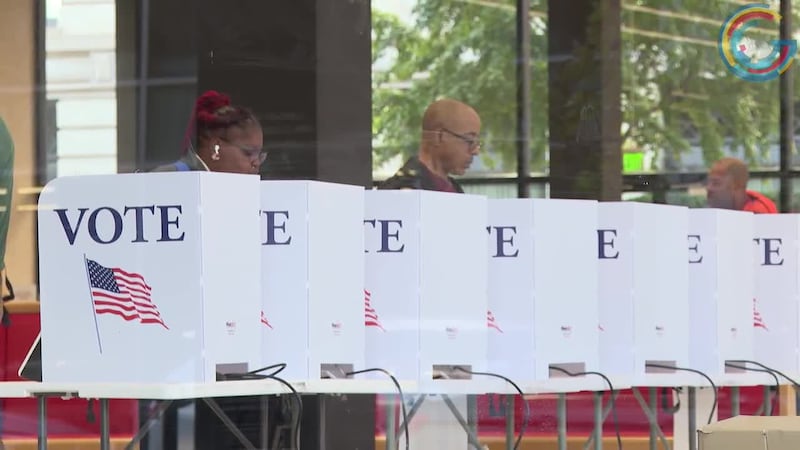
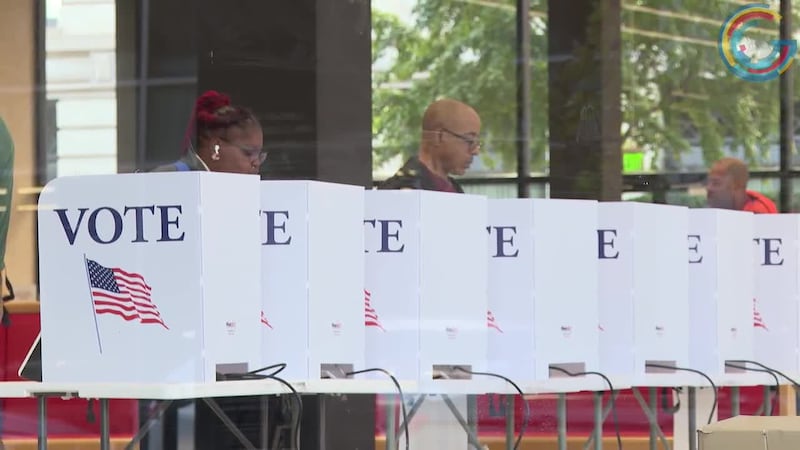
With women across all ethnic and racial groups heading out in droves to vote, politicians hoping to go to Washington must keep that voting base in mind.
Previous midterms were dominated by traditionally female issues, including the #MeToo movement in 2018 and the overturning of Roe v. Wade in 2022.
Dittmar said this year is different.
“At the end of the day across the board, that affordability piece seems to be paramount,” Dittmar said.
Affordability is critical to women, but equally as important to men. While recent headlines about sexual assault and violence, issues traditionally seen as female-coded, are prompting reaction from candidates, Dittmar says the impact of those controversies in November may be slim.
“In terms of where we see women this year: high energy in terms of their concerns, but those concerns are something that’s more universal,” Dittmar said.
Something else to consider: the gender gap is different between the two parties. Women make up 42% of congressional Democrats, which brings the party closer to parity. However, women make up only 15% of congressional Republicans.
Copyright 2026 Gray DC. All rights reserved.